
Step into Ananya Dance Theater
By Sabine Benda
Every step Ananya Dance Theatre (ADT) takes is part of a social movement.
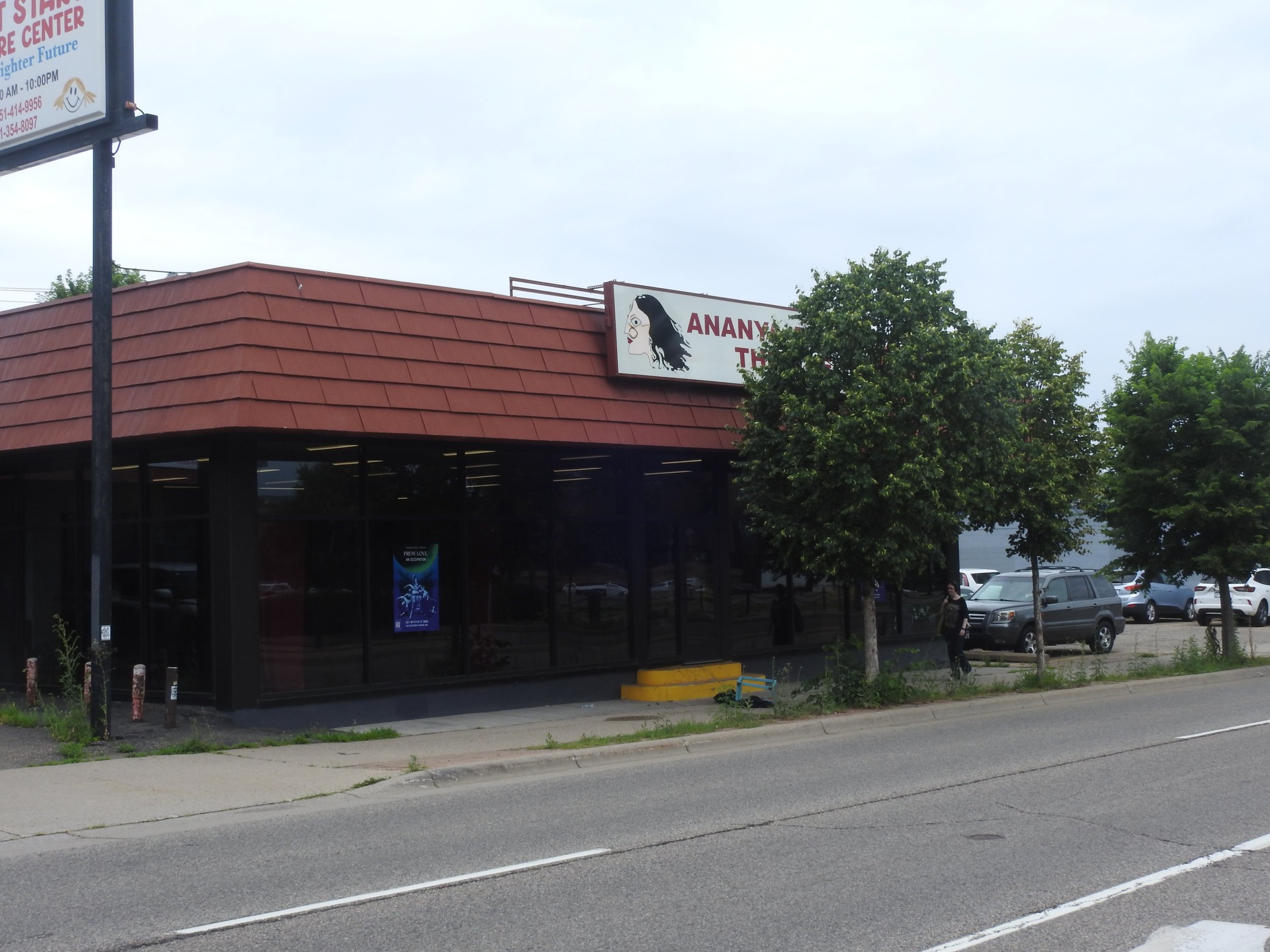
Ananya Dance Theatre has called their University and Griggs space home since 2018.
Dr. Ananya Chatterjea, a Professor of Dance at the University of Minnesota since 1999, founded ADT in 2004 following conversations with dancers and non-dancers alike who craved a space for women of color to be in community and dance together.
Chatterjea created a practice of movement she named Yorchha, which ADT’s website describes as “intersect[ing] principles from the traditional Indian dance form Odissi (from the eastern Indian state of Odisha), Vinyasa Yoga and the martial art form Chhau.”
Artistic Associate Kealoha Ferreira was a student of Chatterjea at the University of Minnesota when she was invited to dance at ADT. Ferreira described the result of Yorchha in practice through her experiences.
“The specificity of [Yorchha] creates the landscape for all of us to arrive in and then imbue with our own individual, different and distinct arrivals,” Ferreira said. “It's the language with which we get to meet each other.”
After calling the Barbara Barker Center for Dance home for over a decade, ADT moved to its current location on University and Griggs in 2018. Since then, the challenges of the COVID-19 pandemic, George Floyd’s murder and the uprising that followed and Operation Metro Surge have brought them closer to the community. Existing in the Midway during these events activated ADT to join other creative collectives in their neighborhood and imagine a path to healing.
“When we had just come out of the heat of the uprising and everyone was slowly making their way into gathering in public space again, there was so much healing that also needed to be tended to,” Ferreira said. “What we decided to do together was identify important locations between the streets that [connect us] and create compostable altars to mark and call in connection and healing back into the streets.”
Ferreira is still processing the effects of that experience.
“The things that I'm still taking away from that experience [are] the sacredness of our everyday interactions with each other,” Ferreira said.
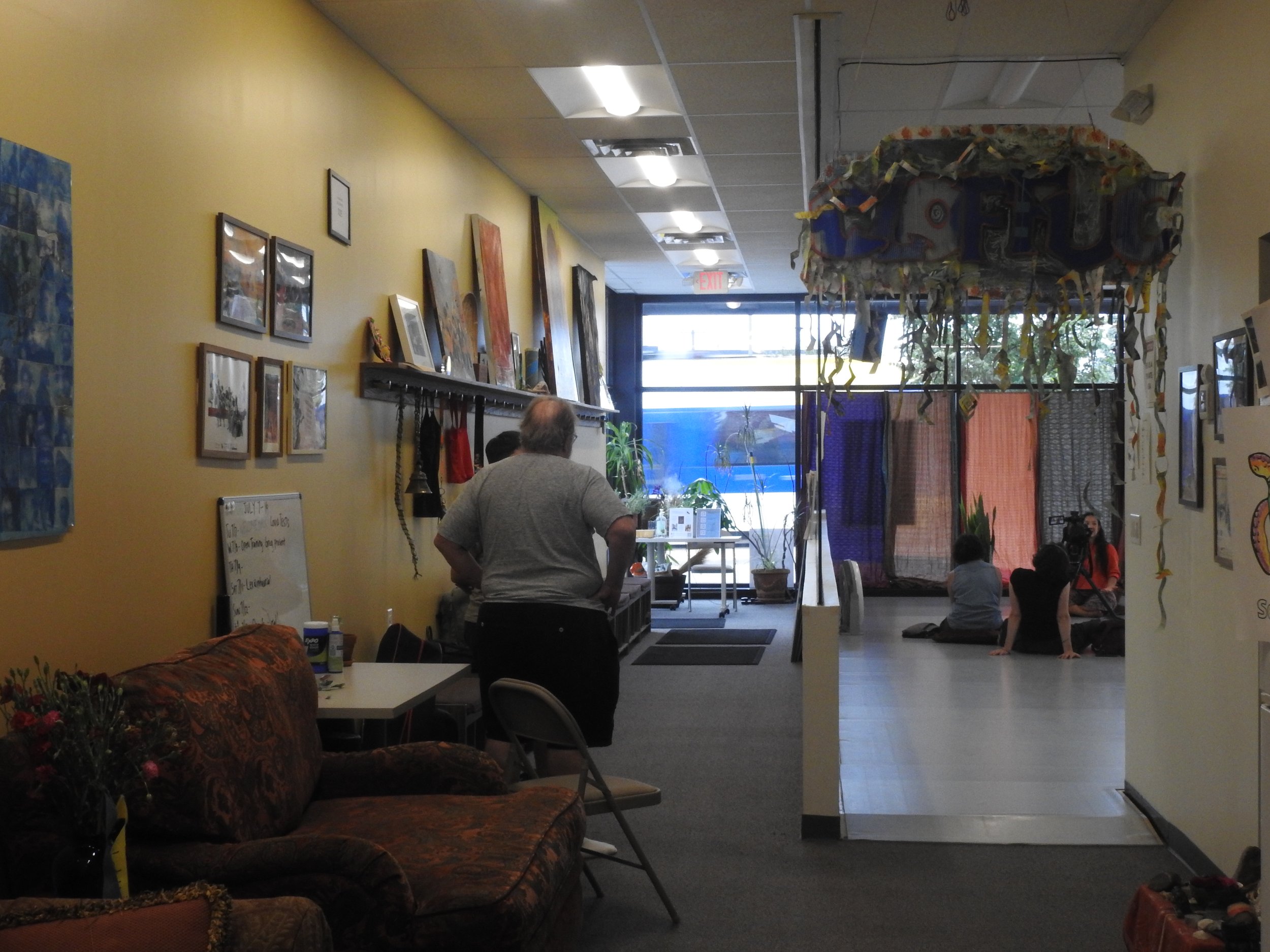
Ananya Dance Theater members are preparing for their upcoming series of shows in October, “Prem / Love: An Occupation.”
Company Manager Jay Claire finds community connection through ADT’s large windows, a trace of the used car showroom that the space once was.
“One of my favorite things about this physical space is the windows and the fact that dancing bodies are visible for the whole community,” Claire said.
“I feel like we have really warm relationships with the neighbors who are known to us, and also the neighbors who are unknown to us.”
The bond between ADT and the community has been informed by this transparency, both literal and emotional.
ADT’s justice-based intentions and community atmosphere extend to every element of their practice, including ensuring accessibility for dancers of all levels to be involved. In addition to offering hybrid, in-person and online classes, the large majority of ADT classes are donation based.
“You could attend class for as little as a dollar,” Ferreira said. “If a single dollar is not something you're able to give, you can still register and come to class.”
More information on ADT’s programming and upcoming performances can be found on their website.
